Have You Read the Terms and Conditions?

#Reflections
06.05.2025 Reading time: 3 minuto
BizkaiaTech editorial team
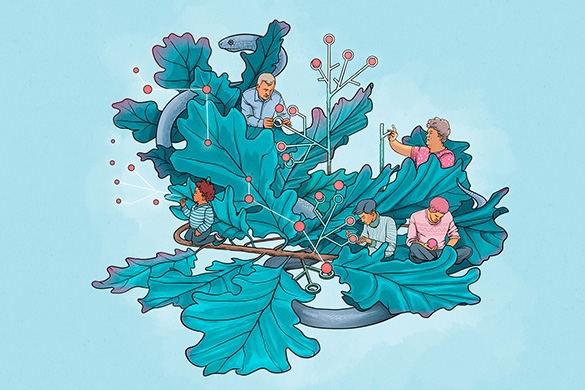
Ilustration: Iñaki Landa
There is no consensus on where to situate the birth of the term "globalization." Linked to the economy, some argue that we can trace the origin and development of globalization back to the 16th century, at the dawn of the expeditions led from Europe, which marked the beginning of a globally connected economy.
What is clear is that, in the 21st century, new policies dominating media headlines in recent months are sparking a debate criticizing the downsides of globalization and advocating for new models that prioritize the local.
For our regular readers, you already know that part of the DNA of BizkaiaTech Magazine is deeply connected to technology, so we couldn’t think of a better way to address this issue than through one concept: the idea of technological sovereignty.
To dig a little deeper, here’s some context framed in the form of questions:
To what extent are we aware of the terms and conditions we accept when downloading and/or using a mobile app? Do we question the changes eventually made and the ways we use digital tools in our personal and professional environments? Are we even aware of the degree of imposition from tech giants regarding their technological products? Is there room for a different way of using technology?
TECHNOLOGICAL SOVEREIGNTY IN 3D
In the following pages, we will explore the concept of technological sovereignty through three dimensions: global, local, and personal.
The global dimension refers to the supremacy of Internet giants and their control over the technological tools that govern the world, with all that this implies: massive data control, significant influence on public opinion, and the emergence of a new economic landscape already referred to as neo-feudalism or techno-feudalism.
We will also map out the most cutting-edge, tech-based pilot projects emerging from public administrations funded by the European Union, developed on European soil by actors such as Lantik, the Technology and Innovation Society of the Government of Biscay and publisher of this magazine, advocating for technological sovereignty. To that end, we interviewed two prominent figures from GovTech4All, the European consortium coordinating these initiatives. You’ll get first-hand insights into the projects being developed to improve and ease citizens' lives.
The local dimension relates to Bizkaia’s ability to be technologically sovereign. Specifically, we will discuss the concept of the Basque fediverse; the group Abaraska will explain it in full detail: a set of platforms and services within the fediverse that operate in Basque or are aimed at the Basque community. The fediverse is a network of interconnected servers hosting different social communication platforms, all based on free software and open protocols, allowing interaction across different services in a federated and decentralized way.
The personal dimension calls for individual responsibility concerning technological sovereignty. You’ll enjoy a tutorial introducing the "maker culture" concept, closely tied to the main theme of this issue, showing you how to build a homemade, open-source video game console from scratch using a Raspberry Pi. We also asked one of our writers to share a story about what it’s like to spend a day without using GAFAM (an acronym for Google, Apple, Facebook, Amazon, and Microsoft). Spoiler alert: yes, it is possible.
Enjoy your reading!
Take our advice and check it out
Slide to show more